
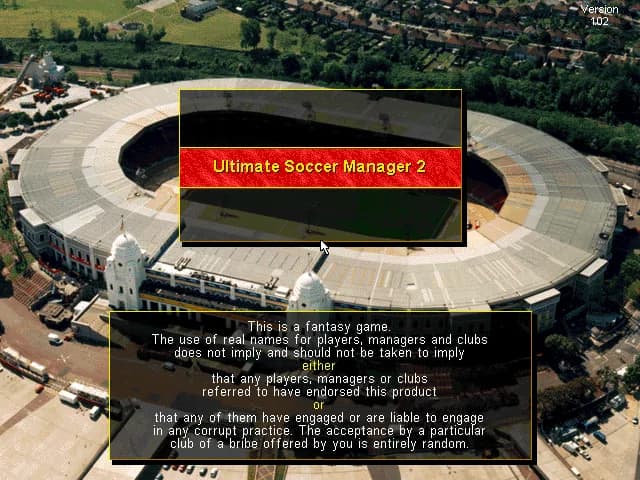
Sierra picked the series up for the sequel, and it grew in exactly the direction the first game pointed.
What it does differently
Real player names across England, Germany and France, which changes the texture of the whole game — a transfer list you recognise is a transfer list you have opinions about. Training moved from a squad-wide slider to per-player programmes, and there is a genuine attempt at modelling how the dressing room feels about you, which was ambitious for 1996 and is still interesting to poke at.
You remain both manager and coach, and you can still interfere during a match. The club-as-business machinery from the first game is all here and better organised.
Where it shows its age
The morale model is opaque: something is clearly happening, and the game will not tell you what. Three leagues sounds broader than it plays, since the transfer market between them is thin. And the interface, while tidier than the original's rooms, is still a lot of screens.
Worth playing?
It is the better of the two Ultimate Soccer Managers by most measures, and the real names are worth more than they sound. Play the first if you want the pure "run the whole club" idea; play this one if you want to actually enjoy the squad you are running.